The Siege of Fort Boonesborough
 Back
Heritage and Research
March 2026

Female Patriots
of the Revolution

Organization
NSDAR & Boone Society
Program
America 250
Deliverable
Presentation & Research
Subject
Descendants of George Boone III
Role
Researcher & Presenter
Patriot Ancestors
2 Verified
Organizations
NSDAR & Boone Society
Featured In
Compass Magazine

Standing on their
own ground.

America 250 commemorates the 250th anniversary of the United States, honoring the courage and sacrifice that founded the nation, including the often-overlooked contributions of women.

For the National Society of the Daughters of the Revolution, Rebecca and Jemima are highlighted as steadfast patriots through their presentations. The Boone Society will feature their stories in Compass Magazine's America 250 special edition, reaching genealogists and frontier historians.

Both women are recognized as verified NSDAR Patriot Ancestors through documented service, independent of their famous husbands and fathers, embodying survival, strategy, and quiet bravery on early America's most perilous frontier.

"Their patriot service was their own — not borrowed from the notable men in their vicinity."
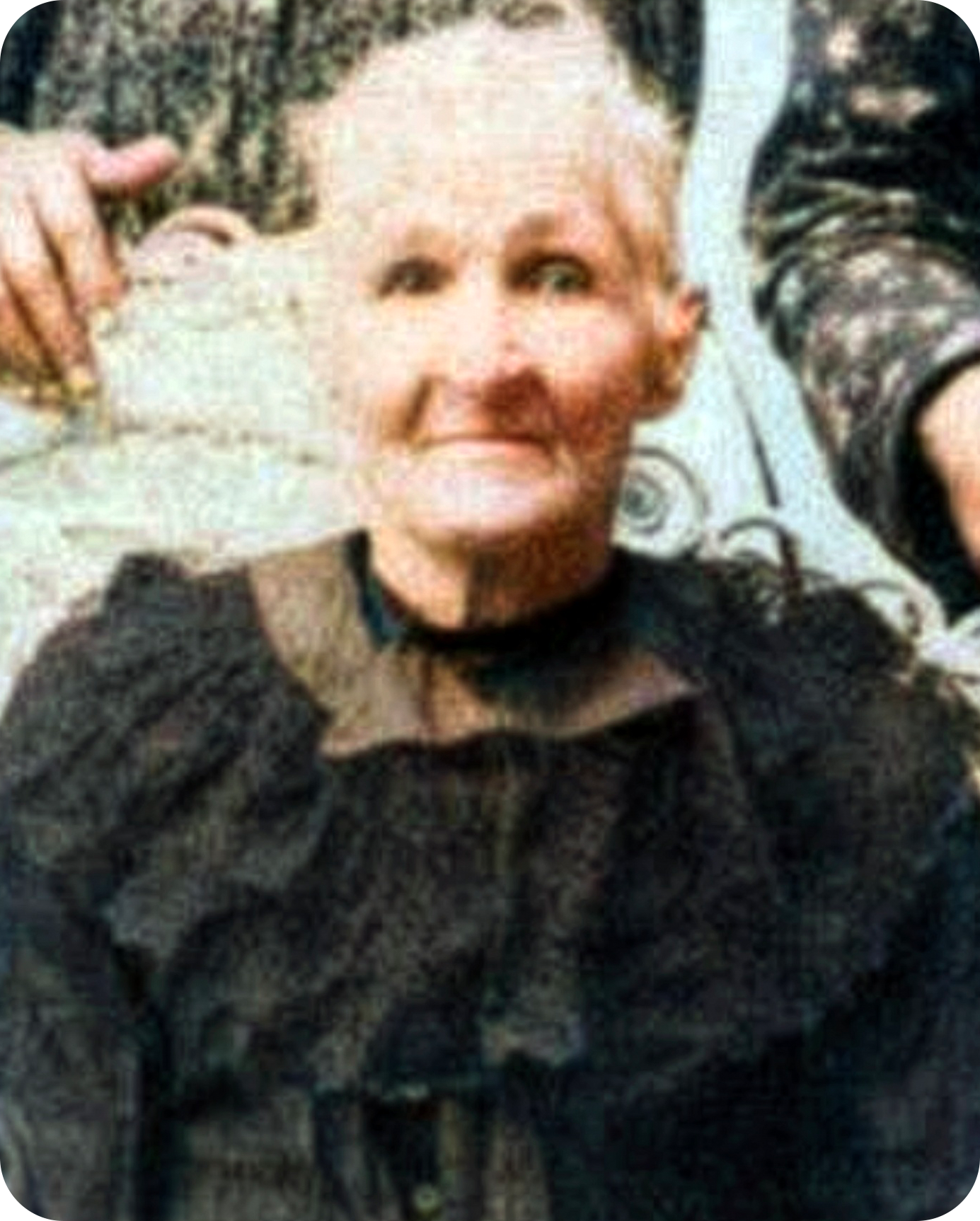
Eviza Lydia Howell
Eviza Lydia Howell — granddaughter of Jemima Boone Callaway, and key source in the Draper Correspondence

Two women.
One frontier.

Rebecca and Jemima are both recognized NSDAR Female Patriot Ancestors — a designation requiring independent documentation of their own patriot service during the Revolution.

Rebecca Bryan Boone
January 9, 1739 – March 18, 1813
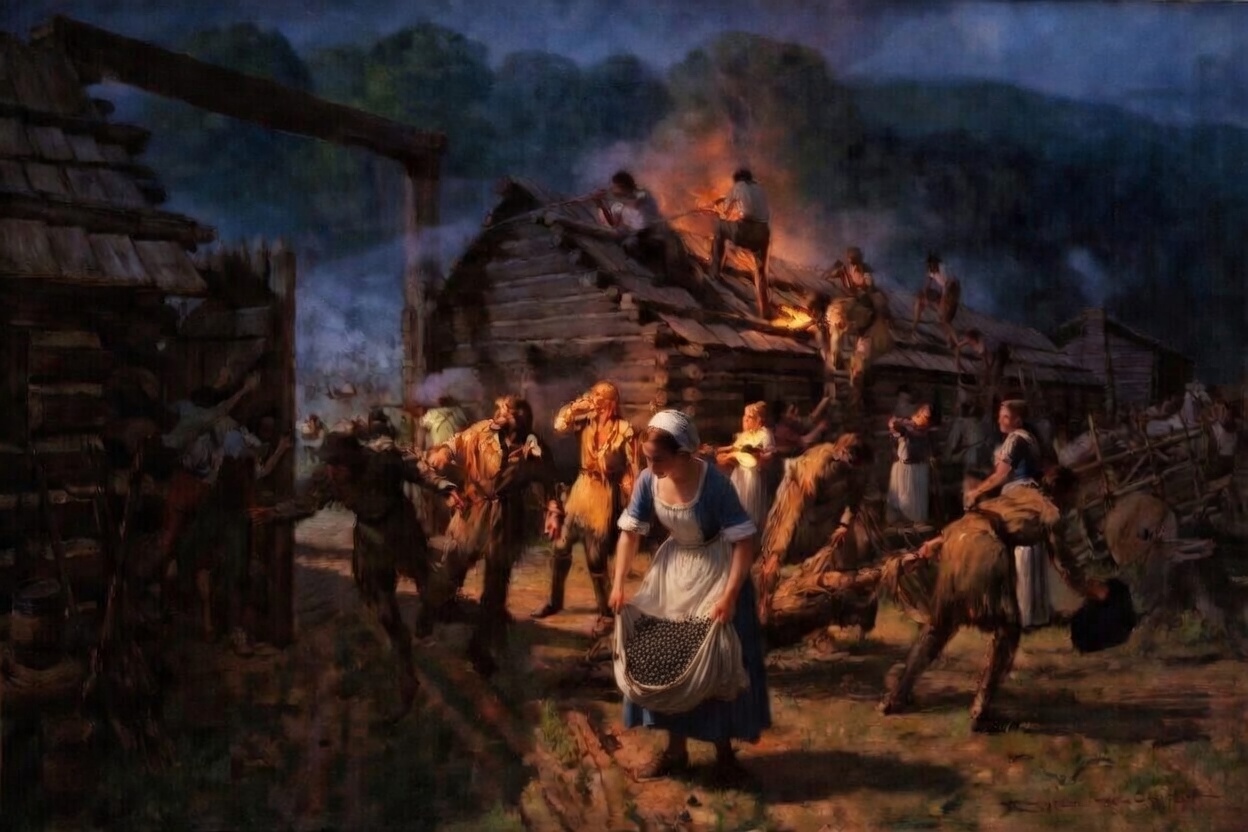
Daniel Boone's wife and frontier matriarch. A markswoman who extinguished flaming arrow fires on Fort Boonesborough's roof during the 1778 siege, molded ammunition, and kept the fort fed and supplied through the 11-day assault. Reinterred 1845 at Frankfort Cemetery, Kentucky.
Jemima Boone Callaway
October 4, 1762 – August 30, 1834
Daniel and Rebecca's daughter. Famously kidnapped at 13 and rescued after cleverly leaving trail markers. Her 1776 abduction directly inspired The Last of the Mohicans. During the Siege she slipped out nightly to collect spent musket balls and remold them for use the next day.

Defenders of
Fort Boonesborough.

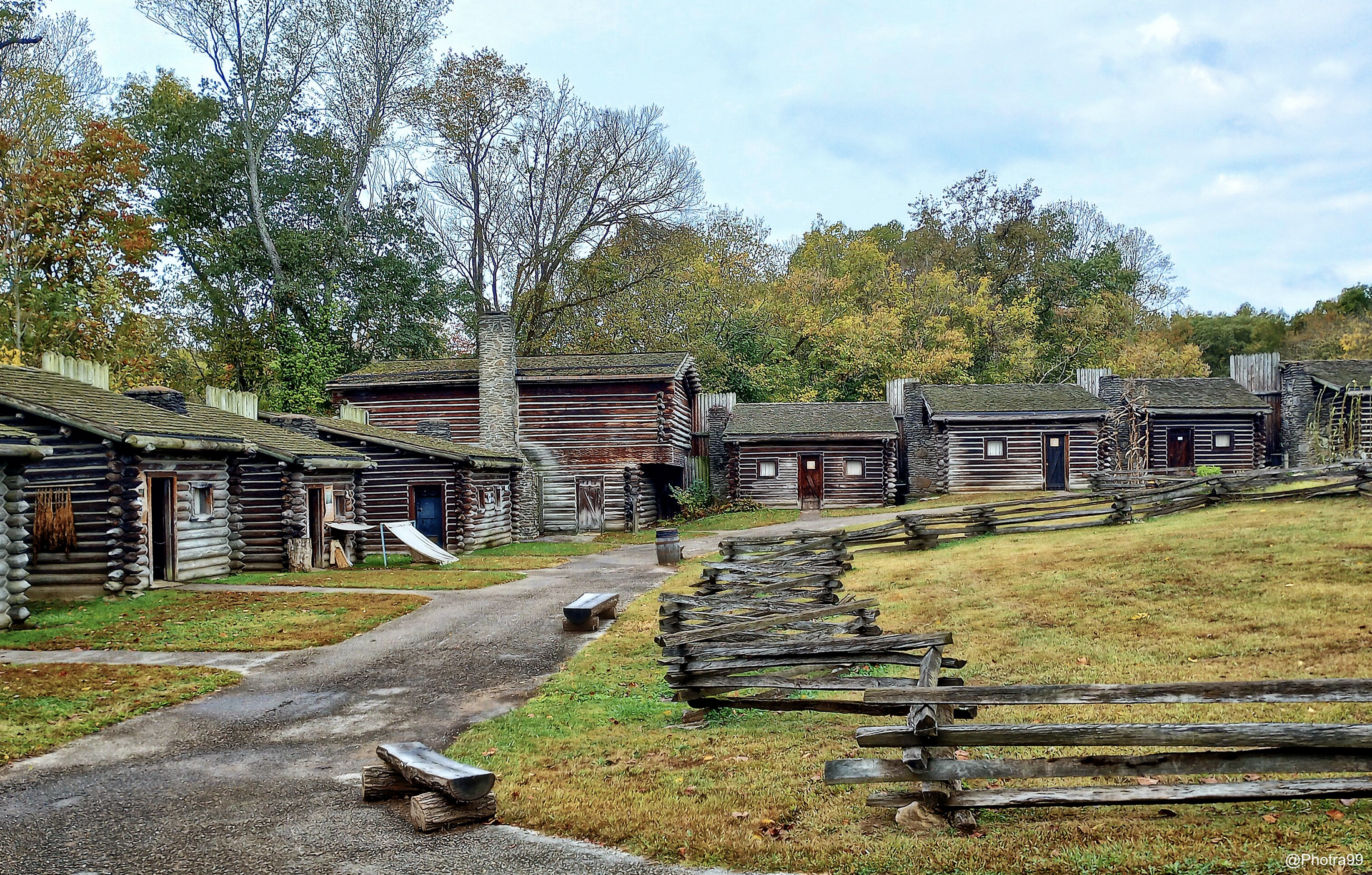
The Siege of Boonesborough took place September 7, 1778 — one of the longest frontier sieges of the entire Revolutionary War. The Shawnee, allied with the British, launched a coordinated assault that lasted 11 days.

Both women are documented defenders. Rebecca served as markswoman and ammunition supplier. Jemima's nightly ammunition runs are preserved through the Draper Correspondence — accounts passed down through her granddaughter Eviza Coshow.

Rebecca — extinguished fires from flaming arrows on the fort roof, molded bullets, and maintained food and medicine stores throughout the siege
Jemima — collected spent musket balls nightly under cover of darkness, recast them, and returned them to defenders each morning
Legacy — a WWII Liberty ship, the SS Rebecca Boone, was named in Rebecca's honor in 1943
Literature — Jemima's 1776 kidnapping and rescue directly inspired James Fenimore Cooper's The Last of the Mohicans (1826), one of the most widely read novels in American literary history
Art — the Boone family became subjects of iconic American paintings, including Karl Bodmer's 1852 canvas Capture of the Daughters of Daniel Boone and Callaway by the Indians and Howard Pyle's 1887 siege illustrations, cementing their place in the visual record of the frontier era
The Siege of Fort Boonesborough
Jemima collecting musket balls in her apron, as orally told to Eviza.

History preserved
by a granddaughter.

Frontier historian Lyman C. Draper corresponded with Eviza Lydia Howell — Jemima Boone Callaway's granddaughter — multiple times to preserve firsthand accounts of the siege that might otherwise have been lost entirely. Eviza was the eighth of fourteen children born to Susannah Callaway and Thomas Howell, one of roughly eighty grandchildren of Daniel and Rebecca Boone. Despite having only one eye, she wrote extensively to Draper, relaying stories exactly as her grandmother Jemima had told them. Her correspondence is catalogued as Draper Series C, Volume 21.

It is through this correspondence that we know the details of Jemima's nightly ammunition runs. Jemima later dictated her own memoir to correct inaccuracies in the historical record — tragically lost when the riverboat carrying it sank. Draper had intended to include Eviza's accounts in his book on Daniel Boone, a book he never finished.

"She would go out each night during the siege to collect spent musket balls in her apron, then remold them to use against the enemy the following day."

— Passed down through Jemima Boone Callaway, recorded via Eviza Coshow in the Draper Correspondence

Research, design,
and storytelling.

This project is not the work of a detached historian. As a direct lineal descendant of Rebecca and Jemima Boone, Britta brings a personal weight to this research that sharpens every interpretive decision. The intimacy of that connection — tracing her own bloodline through documented siege accounts, correspondence, and frontier records — produces a quality of scholarship that no external study can fully replicate. These women are not subjects. They are family.

The work combined genealogical research, primary source analysis, and presentation design — built to bring two overlooked women back into the room where the history of their contributions has always belonged.

Genealogical Research
Traced and documented the patriot service of Rebecca Bryan Boone and Jemima Boone Callaway through NSDAR records, the Draper Correspondence, and Boone Society archives — research grounded in direct lineal descent from both women.
Public Presentation — DAR
Designed and delivered a presentation for the DAR George Mason Chapter's America 250 programming — walking an audience through the Boone family context, individual biographies, patriot service, and lasting historical legacy.
Historical Narrative
Framed the research around a single thesis: both women earned their recognition independently. The narrative restores agency to Rebecca and Jemima — not as wives and daughters, but as documented defenders in their own right.
Cultural Legacy
The lives of Rebecca and Jemima inspired a remarkable body of cultural work. The 1776 kidnapping became the direct source material for James Fenimore Cooper's The Last of the Mohicans (1826), one of the most widely read novels in American literary history. Their story drew painters and illustrators across two centuries — Karl Bodmer's 1852 canvas Capture of the Daughters of Daniel Boone and Callaway by the Indians, Howard Pyle's 1887 siege illustrations, and numerous frontier paintings depicting Rebecca at the fort. The women did not merely live history — they became it.
Publication — Boone Society
This research will be featured in Compass Magazine — the official publication of the Boone Society — in the America 250 special edition, July 2026, reaching genealogists and frontier historians nationwide.